
Learn how to harvest the “GOLD” along the Oregon coast … Dungeness.Crabs
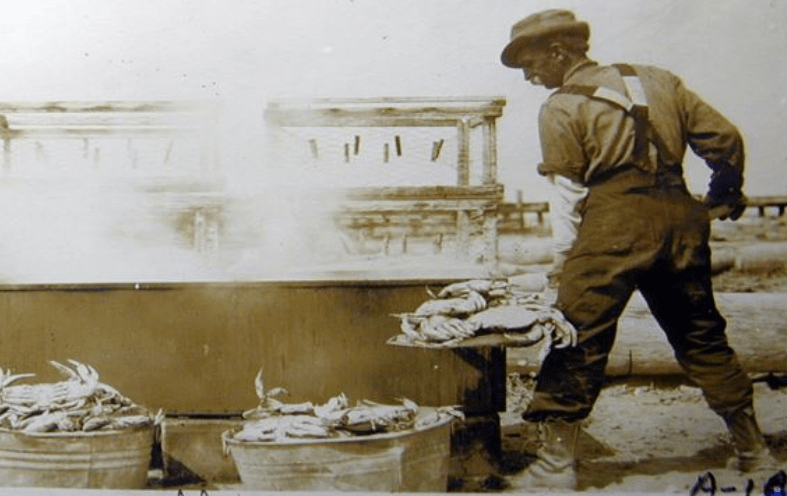
Dungeness crabs have been part of the Pacific Northwest’s indigenous diet for thousands of years. Native Americans used to catch them by hand, wading into the shallow water at low tide. They then prepare the crab by boiling or roasting it over a fire.
The first commercial harvesting of Dungeness crab began in the late 1800s. Fishermen in the Pacific Northwest discovered that the crab was abundant and delicious. They began using traps to catch them, and soon Dungeness crab became a staple in the local seafood industry.
Dungeness crab is still a significant part of the Pacific Northwest’s economy. Commercial fishermen catch them from the waters off the coast of Alaska, British Columbia, Oregon, and Washington state. They are also popular with recreational fishermen, who can catch them from piers, jetties, and boats.
Now. a person with a Round Crab Max Trap can catch their dinner for shore 365 days a year in the Bays along the 360-mile coast of Oregon if they know where to go and what to do.
That is the purpose of the Private Crab Clinic.
Sustainable Living Center will schedule a private Crab Clinic at a time that fits your vacation schedule. The cost is only $25, regardless of the group size.
Unlike commercial crabbing, which has set seasons, recreational crabbing is open year-round unless tests show elevated levels of biotoxins like domoic acid. Before setting out, check the Oregon Health Authority website or call the Shellfish Safety hotline at 800-448-2474 for closures.
Factors you need to understand before you go crabbing in an Oregon Bay:
Type of Bay bottom ..
Adult males and females in a population tend to molt at different times so that the males will be hard-shelled and able to mate when the females molt. During the first 2 years (10–11 molts) the crabs shed their shell several times a year, increasing in size with every successive molt. After molting, the new, paper-thin shell is vulnerable to puncture, so the crab hides by burying itself in the sandy bottom for several days. Most males molt during summer, but the time can vary greatly by area and year. No sandy bottom, no Dungness, but Rock Crab.
Eelgrass
Eelgrass is a flowering saltwater plant in the seagrass family that grows underwater in dense, swaying meadows. It’s found in bays, estuaries, and beaches on the West Coast from Alaska through California.
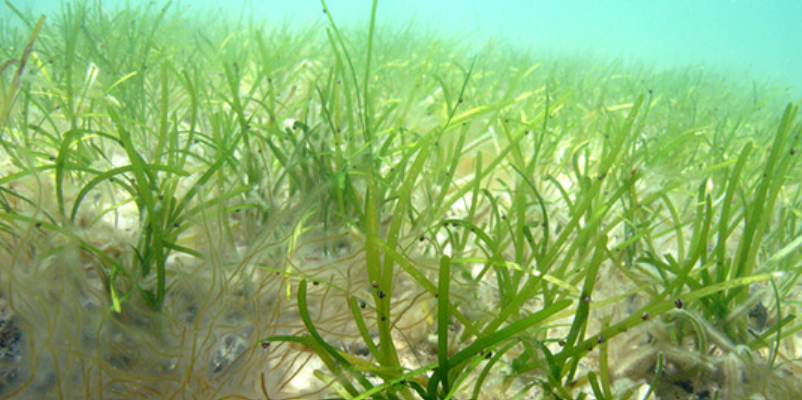
Eelgrass meadows provide essential habitat for coastal birds, which feed directly on the plant. Eelgrass
Green Crabs eat Eelgrass. No Ee grass, No Dungeness Crab.
.
Temperature of water
“Dead Zone”
Fresh Water…
Crabs don’t like the influx of winter’s freshwater runoff, and wet spells will send them scurrying out into the ocean looking for more salt. On those days, try crabbing in larger bodies of water that are harder to dilute or as close to the ocean as possible. Don’t crab where you see seals, which will willingly eat your bait if you do not chicken.
Shack Tide ….Any time is a good time for Crab, but some are better than others.
“Slack Water” also called “Slack Tide” (the times of peak high or low tide) are the best times to crab. During swift tidal exchanges crab often bury themselves, but at slack water, more crabs are walking around foraging, since they are less affected by tidal currents.

The favorite time to harvest crab is roughly one hour before low or high tide and one hour after low or high tide. At that time, the tide is moving the slowest, allowing the crabs to roam around and look for food without fighting the current, but crabs can be trapped at any time of day.
Bait …
Most of the regular crabbers use chicken. Crabbing with raw or frozen chicken is a good alternative. Two (2) -(3) hours of chicken bait are available at the clinic for sale. Chicken isn’t a natural food source, but gulls and waterfowl certainly are, so it makes sense that chicken is good bait.
But one important thing to remember: Use legs or thighs and avoid chicken breasts. Legs and thighs are all fatty cuts of meat. Oil and water don’t mix, so fats can disperse farther in the water than proteins, which quickly dissolve and dilute. That dispersal leaves an unmistakable scent trail for crabs to follow, and they’ll come into your bait from long distances.
Before you let a sporting goods store employee try to sell you on the virtues of mink, most commercial crabbers almost exclusively use clams as bait.
If you think about it, this makes a ton of sense. Crabs hang out on the ocean floor, eating whatever they can get their claws on. More often than not, the easiest meals are clams, mussels, and sand shrimp. Tho
The problem with clams is that they’re too expensive for crab bait. They cost anywhere from $20 to $40 a pound, depending on the species. But if you have access to crabbing spots, you probably have some clam beds nearby, too, and that’s where you should get them. You can dig clams at low tide and catch crabs at high tide; it’s the perfect way to spend a day at the coast.
Clamming and Crab Trap Packages. are available
Type of Traps …. Soakers, Ring, and Crab Max types
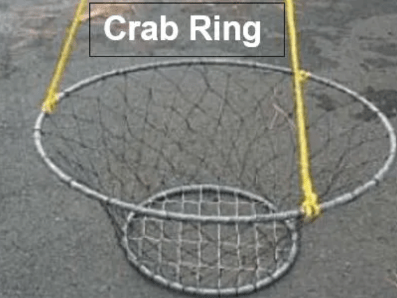
Ring Crab Trap … The concept is straightforward: bait the crabs into the ring and “pull” the trap up when you think the crabs are inside. The absolute most straightforward crab ring is a two-ring crab net. You should pull the Crab Ring up quickly, as the outer ring forms a wall so the Crab cannot escape. You will pull a Crab Ring up every 5 -10 minutes, depending on the crab activity.
This trap is best used from a boat because If you pull it at an angle, you will have Crabs.
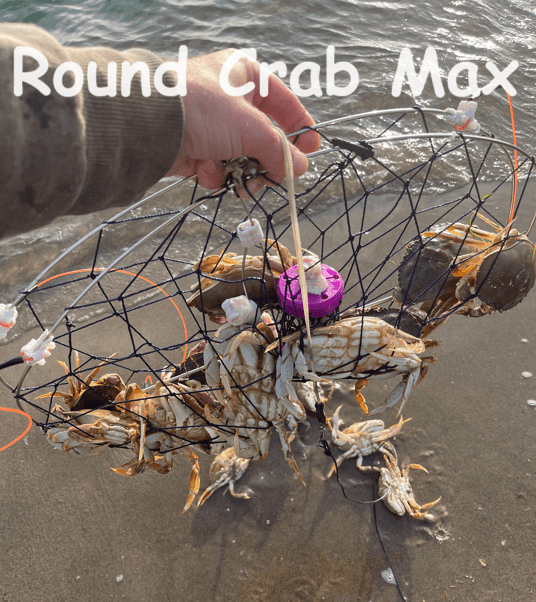
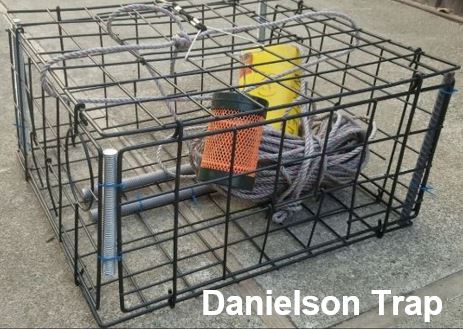
The Round Crab Max Trap is similar to the Ring Trap except that when you pull, the top of the trap closes with all the crabs captured inside. It consists of two metal two metal netted 24-inch sides. When lying flat, it takes the shape of a 24-inch circle. It is the only Crab trap that can be used from the beach, shore, dock, pier, or boat.
It has 50% more Crab catching area than triangle or square traps.
This is the only trap that can be used anywhere because when you pull the trap, the crabs in the netting area are caught and cannot escape.
License …Licensse are available for purchase at the Crab Clinic For:
- Annual Oregon State Resident = $10
- Three Day Out of State Resident = $20
- Annual Out of State Resident = $20
Regulation
Catch Limits
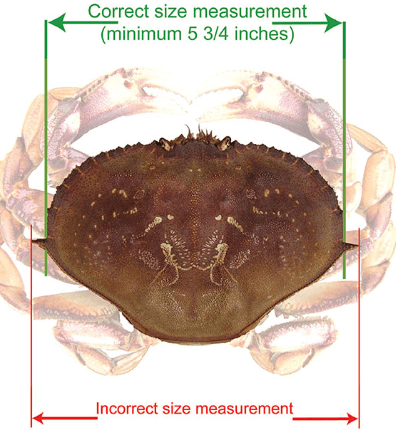
The daily limit in Oregon is 12 male crabs with a minimum of 5-3/4 inches across the crab’s back; measure immediately in front of the spines. In addition to Dungeness crabs, you may end up with red rock crabs in your pots. These are smaller, and the limit is 35 per day of any size.
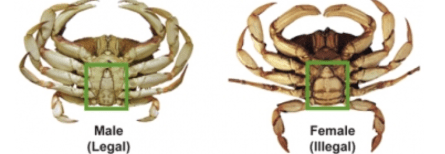
Female crabs lay eggs (up to 3 million eggs), imagine!) and are therefore treated like the queens they are. As such, it’s illegal to keep female Dungeness crabs.
You can tell a female crab from a male by flipping it over and examining its stomach. Female crabs have an oval-shaped stomach, while male crabs have triangular stomachs.
82 Siletz Hwy Lincoln City OR 97367

 Living Center Oregon
You must be logged in to post a comment.